
News
October 14, 2026
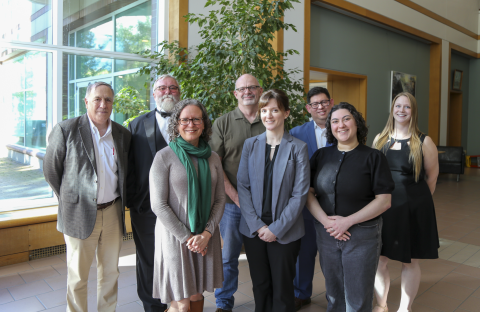
Eight employees across Cornell Research and Innovation were recognized Sept. 23 as part of the inaugural Research and Innovation Staff Excellence Awards.
October 14, 2026
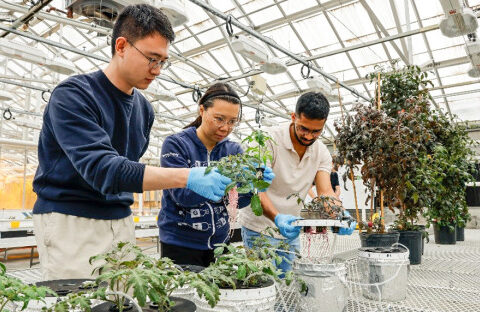
The Cornell-led multi-institutional Center for Research on Programmable Plant Systems will continue work to transform agriculture by enabling direct two-way communication with crop plants’ internal processes.

October 5, 2026
As mathematicians work through challenges related to AI, Cornell math faculty members are leading the field with work integrating AI into math and mathematics into AI.

October 4, 2026
Cornell is expanding its expertise in artificial intelligence and data science thanks to the arrival of new faculty, with support from the Radical Collaboration initiative, building a research community that reaches across disciplines.
September 17, 2026
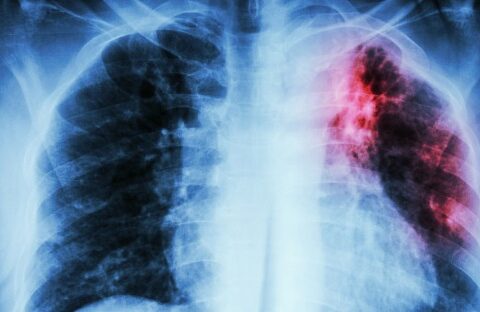
The researchers aim to shift TB drug development toward creating new drugs from the start to work in the combinations needed to cure tuberculosis.

September 11, 2026
Life Science Core Day, taking place Sept. 22, offers Cornell researchers a chance to explore an extraordinary range of specialized life science core facilities, technologies, and expertise available to them from across campus in one place.
September 11, 2026
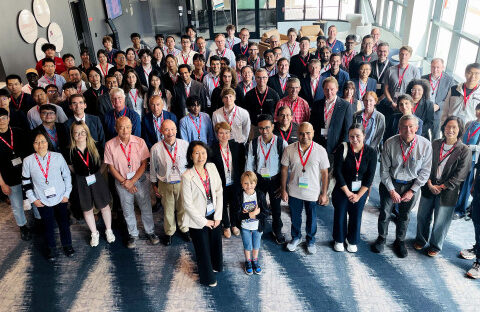
Cornell University welcomed more than 180 researchers, students, industry partners and federal leaders to Ithaca July 22–23 for the 2026 SUPREME Annual Review,
September 9, 2026
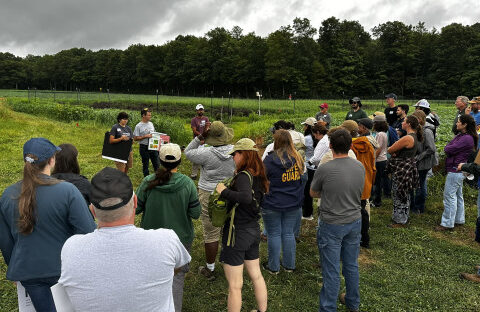
A field of tomato plants during the 2026 Aurora Farm Field Day at Cornell’s Musgrave Research Farm is testing whether a living sensor can reveal nitrogen stress under unpredictable growing conditions.
September 9, 2026
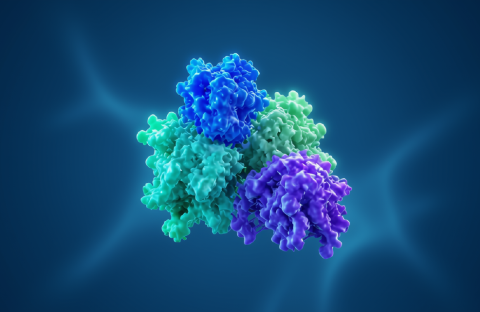
Cornell researchers have used artificial intelligence to uncover a previously unknown way cells control how proteins move inside them, a process essential for growth, communication and movement, and one that is often disrupted in cancer.